You’re looking for a place to store your belongings in Webster, and the last thing you want is to worry whether they’re safe. With everything from hurricane season to property crime in the Houston metro area, security isn’t just a nice-to-have feature it’s the main reason you’re reading this.
Here’s what actually keeps a facility secure, what you should inspect before signing anything, and which features matter most at our Webster location.
The 7 Security Features That Actually Matter
After 55 years in this business, I can tell you most storage security comes down to seven things. Everything else is window dressing.
Perimeter Fencing
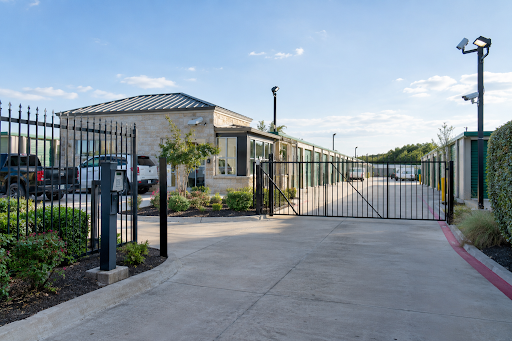
An 8-foot fence around the entire property creates a real barrier. Not a decorative chain-link—a tall, climb-resistant fence that forces anyone with bad intentions to work harder than it’s worth.
Video Surveillance
Cameras should cover entry points, hallways, and the main access roads. Look for visible cameras, not hidden ones. You want the deterrent effect.
Controlled Access Gates
A gate with individualized access codes means there’s a record of who entered and when. It also keeps random traffic out.
On-Site Management
A resident manager who lives on the property sees things cameras miss unfamiliar vehicles, people loitering, unusual activity. They’re your first line of response if something looks off.
Adequate Lighting
Well-lit driveways, hallways, and unit areas do two things: they let you load your belongings safely at night, and they eliminate dark corners where someone could work unnoticed.
Quality Unit Locks
Most facilities require you to bring your own lock, which is good, it means you control who has a key. Use a disc lock, not a standard padlock. Disc locks resist bolt cutters better.
Clean, Well-Maintained Property
A facility that’s visibly maintained signals active management. Broken lights, overgrown landscaping, and trash around the property tell you no one’s paying close attention. That’s a security problem dressed as a maintenance issue.
What to Inspect Before You Rent
Don’t just take a tour, ask specific questions and look for gaps.
- Walk the perimeter. Is the fence intact? Are there spots where it’s damaged or easy to climb?
- Ask to see the gate system work. Does it actually require a code, or does it stay propped open during the day?
- Check if cameras are positioned to cover your unit area, not just the front office.
- Ask if there’s on-site staff after hours. A manager who lives there is worth more than extra cameras.
- Look at the lighting after dark if possible. Shadows around your unit mean poor visibility.
If the staff can’t answer basic questions about their security setup, that’s a red flag. You should also consider picking up quality packing materials to protect what’s inside your unit—security keeps people out, but proper packing keeps your items safe from damage.
What Secure Storage Can’t Do
Here’s the honest part: no storage facility can guarantee zero risk. If you’re storing something irreplaceable, heirlooms, critical business documents, items with extreme sentimental value, keep them somewhere else or get additional insurance.
Good security makes theft unlikely and unprofitable for thieves. It doesn’t make it physically impossible. If you need climate control for valuables like antiques or documents, check which storage unit sizes and features fit your needs.
Why Webster Specifically
Webster sits right between Houston and Clear Lake, with a lot of NASA contractors, medical professionals, and families near the coast. That means people store valuable work equipment, and hurricane season drives a spike in storage demand.
Both of those increase the need for serious security. Our Webster location on E. Nasa Road One has 8-foot perimeter fencing, surveillance cameras covering the property, controlled gate access, and an on-site resident manager. The property is well-lit, clean, and we’ve been there long enough to know the neighborhood.
Frequently Asked Questions
Can I access my unit 24/7 at a secure facility?
Most secure facilities limit access hours to balance security with convenience. Ours are open daily with extended hours, but not 24/7. Controlled hours mean fewer opportunities for unauthorized access and better oversight from on-site staff.
Do I need insurance for items in a secure storage unit?
Yes. Facility security reduces theft risk, but it doesn’t cover damage from other causes, flooding, fire, your own accidents during move-in. Your homeowner’s or renter’s policy may cover stored items, or you can buy storage insurance separately.
What’s the difference between gated access and controlled access?
Gated access means there’s a gate. Controlled access means each tenant gets a unique code tied to their account, and the system logs every entry. Controlled access is far more secure because it creates accountability.
Are ground-floor units less secure than upper floors?
Not if the facility has perimeter fencing and surveillance. Ground-floor units are easier to access for loading, which is why most people prefer them. The security comes from the property-wide systems, not the floor level.
Should I tell the facility what I’m storing?
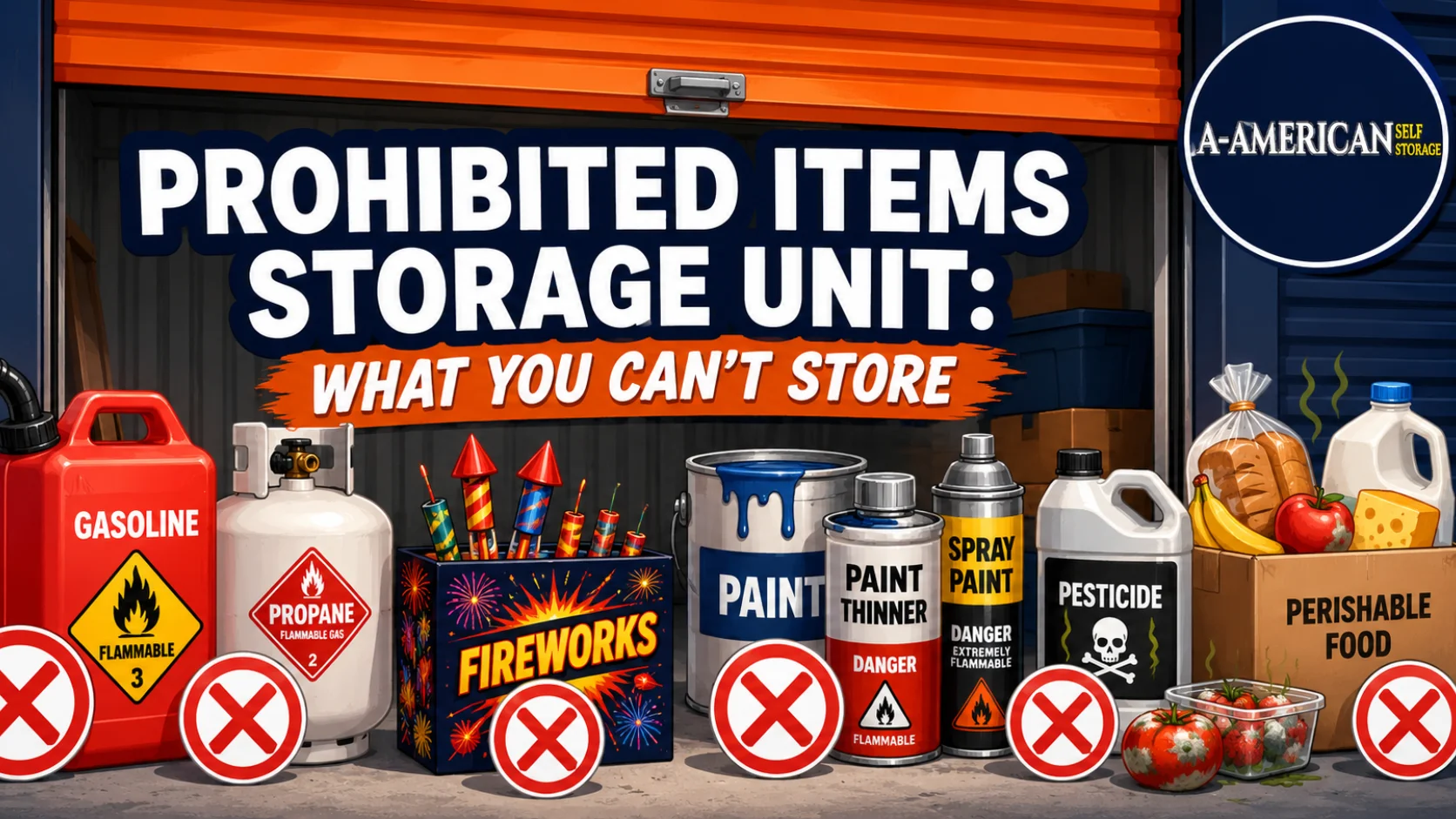
Tell them the general category, household goods, business inventory, seasonal items, but you don’t need to list specifics. Do follow the lease rules on prohibited items. Storing something against the lease terms can void any protection you’d otherwise have.